
Some parents ask at the first burst of toddler energy. Others ask after a shy child hides behind their leg at nursery. What age can toddlers start martial arts is usually not really a question about punches or kicks. It is a question about readiness, confidence, listening, and whether a class will help a child grow in the right way.
The short answer is that many toddlers can begin from around 18 months to 3 years old, but the right starting point depends on the child and on the way the class is taught. A well-run toddler martial arts class should look very different from a class for older children. At this age, the goal is not combat training. It is building balance, coordination, focus, patience, and trust in a structured and encouraging setting.
What age can toddlers start martial arts in practice?
In practice, some children are ready to join a parent-assisted martial arts programme from about 18 months. Others are better suited to starting closer to age 3 or 4, when they can follow simple instructions more consistently and take part with more independence.
That range matters. Toddlers develop at very different speeds. One two-year-old may happily copy movements, wait their turn, and join in with games. Another may still need more time to settle into group activities. Neither child is behind. They are simply at different stages.
This is why age on its own never tells the full story. A good martial arts school will look at attention span, confidence around other children, ability to separate from a parent if needed, and how the child responds to routine. Readiness is often more about emotional and social development than physical ability.
What toddler martial arts should actually look like
When parents hear the phrase martial arts, they sometimes imagine sparring, shouting, or hard discipline. That is not what a quality toddler class should be.
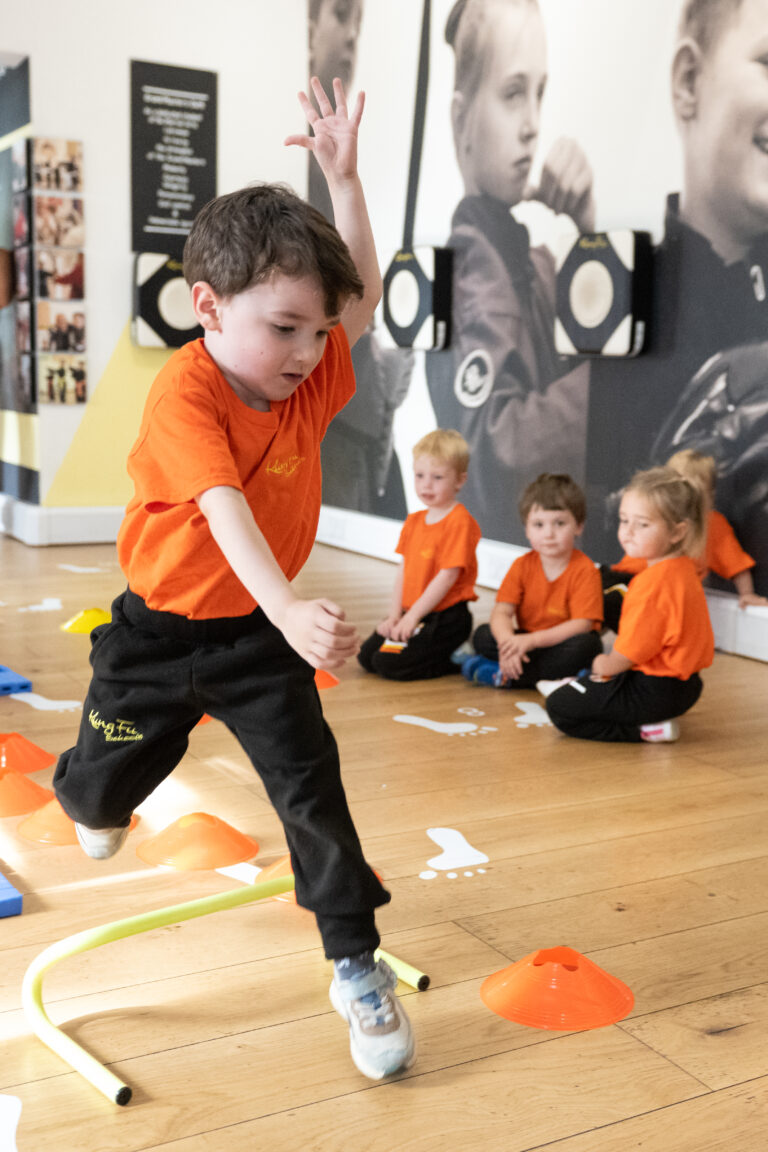
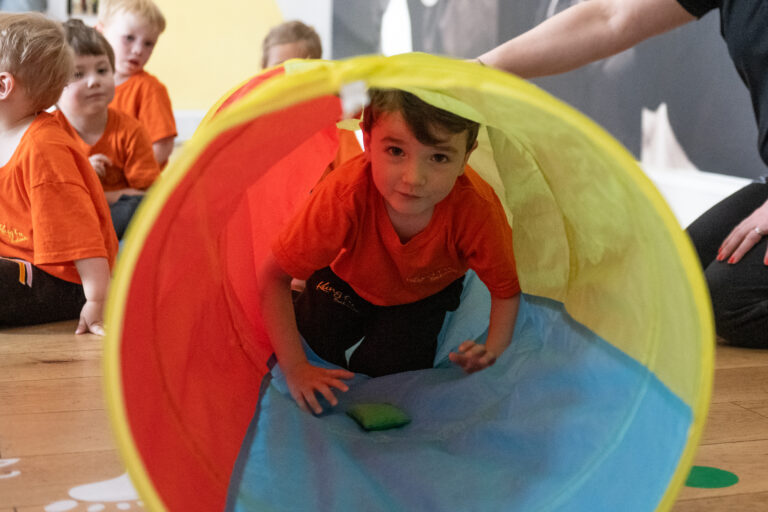
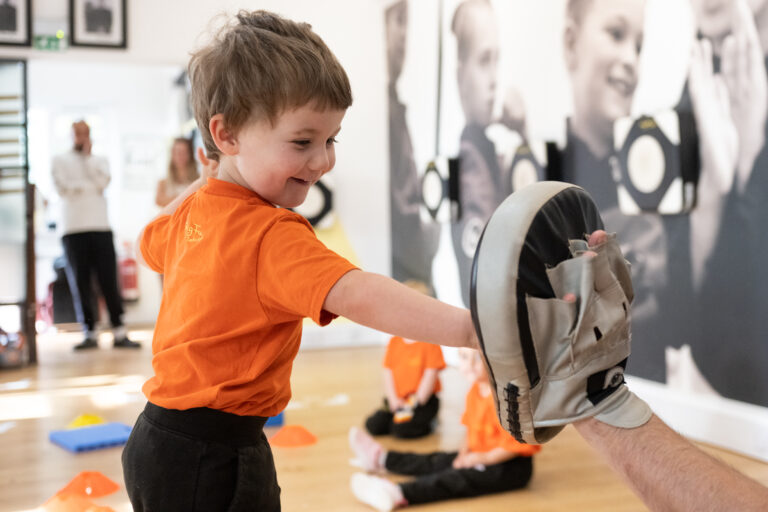
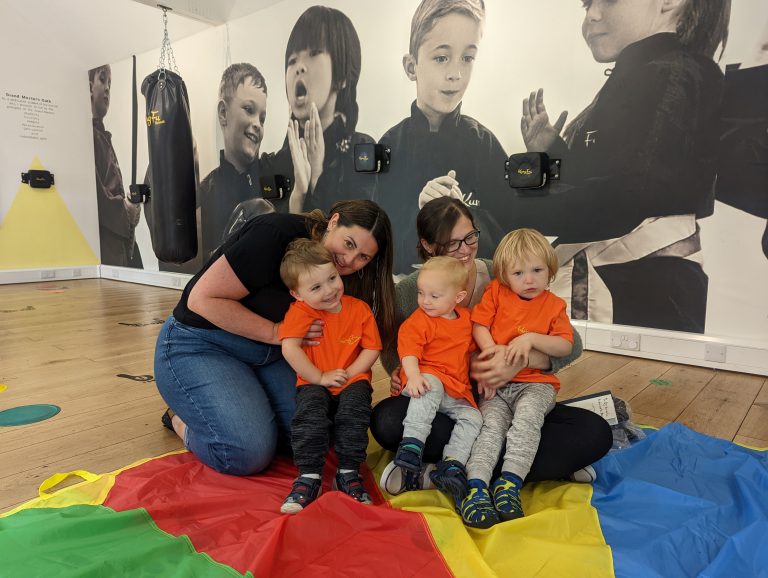
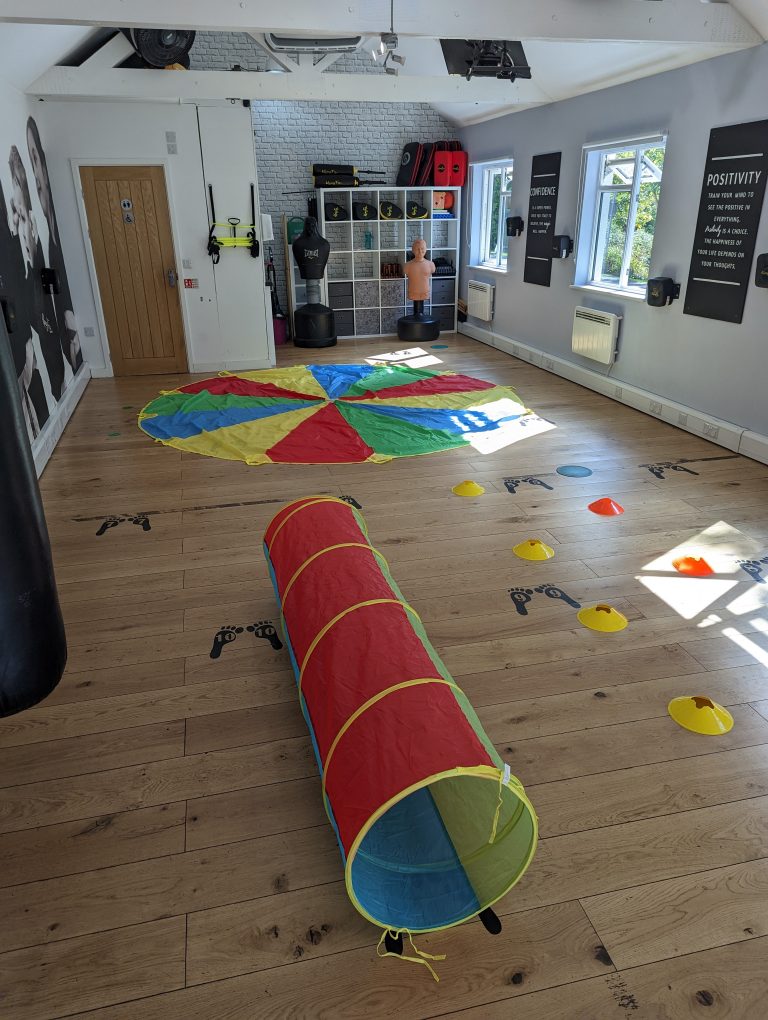
For younger children, martial arts should be structured, playful, and carefully paced. Sessions often include simple movement patterns, balance drills, listening games, basic stances, and activities that reward effort and focus. The best classes keep children engaged without overwhelming them.
At this stage, instructors are not trying to create miniature fighters. They are helping children learn how to stand tall, listen carefully, follow boundaries, and enjoy movement. Those early skills become the foundation for stronger confidence and more technical training later on.
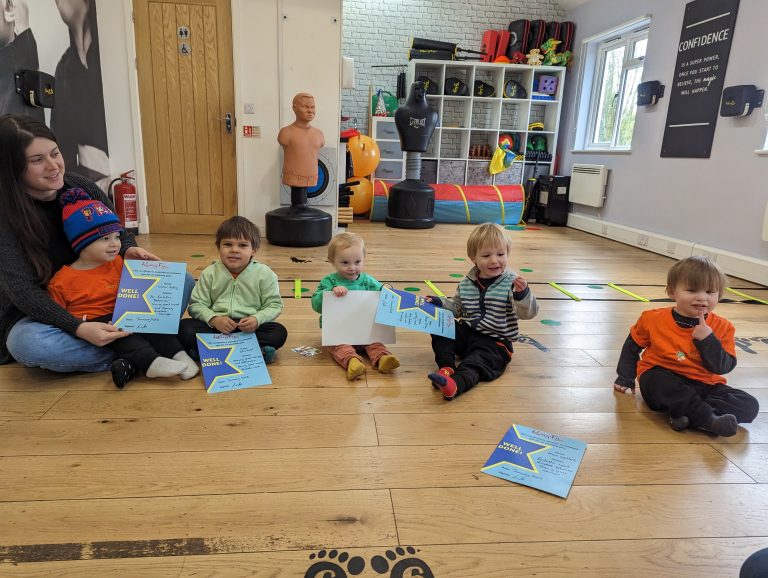
A toddler programme should also use positive reinforcement. Young children respond best when expectations are clear, praise is specific, and progress is celebrated. That creates a safer and more enjoyable experience for both the child and the parent.
Signs your toddler may be ready
If you are wondering whether now is the right time, it helps to look beyond age alone. A toddler may be ready for martial arts if they can take part in a short group activity, copy simple actions, and recover reasonably well when redirected. Curiosity, enthusiasm for movement, and enjoyment of routine are all good signs too.
That said, a very lively child can still thrive in martial arts, and so can a quiet one. Energetic children often benefit from learning how to channel movement with purpose. More reserved children often gain confidence from predictable structure and regular encouragement.
The main thing to watch is not whether your child is perfect at listening. Very few toddlers are. It is whether they can gradually engage, with support, in a calm and well-led environment.
Benefits of starting martial arts early
Starting young can be a brilliant choice when the programme is designed properly. Toddlers are learning fast at this age, and repetition through movement can support all sorts of development.
Physically, martial arts can help with coordination, balance, body awareness, and posture. Those are useful skills not just for sport, but for everyday confidence. A child who feels more in control of their body often feels more secure in themselves too.
Emotionally, early martial arts can support patience, resilience, and self-regulation. Waiting for a turn, listening for instructions, and trying again after getting something wrong are small lessons, but they matter. Over time, those habits can carry into nursery, school, and home life.
Socially, classes can help toddlers get used to routines, respectful behaviour, and positive interaction with instructors and other children. For many parents, this is one of the biggest advantages. Martial arts gives children a clear framework for behaviour without relying on fear or pressure.
When it may be better to wait
There are times when waiting a little is the better option. If a child becomes extremely distressed in group settings, cannot yet engage for even a few minutes, or finds structured environments overwhelming, they may benefit from a bit more time before starting.
That does not mean martial arts is not for them. It may simply mean they will enjoy it more at a slightly later stage, or in a class specifically built for very young beginners with parent participation.
This is where honest guidance from a school matters. A trustworthy instructor will not push a child into a class they are not ready for just to fill a space. They will think about the child’s experience, confidence, and long-term progress.
Choosing the right class matters more than choosing the youngest age
If you are asking what age can toddlers start martial arts, the better follow-up question is what sort of class are they starting in.
A good toddler class should be age-specific, closely supervised, and led by instructors who understand child development as well as martial arts. The environment should feel safe, positive, and orderly. Expectations should be clear, but never harsh.
It also helps if the school has a visible progression path. Toddlers do best when their first class is not treated as an isolated activity, but as the beginning of a journey. A strong programme gives them room to grow from playful basics into more focused skill development as they get older.
For example, at Kung Fu Schools Horsham, younger children begin in age-appropriate programmes designed around attention span, coordination, confidence, and behaviour. That kind of structure makes a real difference, because it meets children where they are rather than expecting them to train like older pupils.
What parents should expect from the first few classes
The first class is rarely a perfect performance, and it does not need to be. Some toddlers join in immediately. Some watch quietly. Some cling to Mum or Dad for a while before warming up. All of that can be normal.
Early sessions are often about familiarity. Children are learning the room, the routine, the instructor’s voice, and what is expected. Progress can look small at first, but small steps count. Standing on a spot, joining a warm-up, or copying one movement independently may be a big win for a toddler.
Parents should also expect repetition. Young children learn through doing the same things many times. That consistency is part of what builds confidence. A class that seems simple on the surface is often doing exactly what it should.
Martial arts for toddlers is not about making them tougher
Many parents are drawn to martial arts because they want their child to become more confident or more able to handle challenges. That is a healthy reason to look into classes, but confidence is not built by throwing children into intimidating situations.
For toddlers, confidence grows when they feel safe, capable, and encouraged. It comes from trying, succeeding, being praised for effort, and learning that structure can be enjoyable. Real resilience starts there.
That is also why non-competitive environments can work so well for young children. Without pressure to prove themselves, toddlers can focus on listening, moving, and developing at their own pace. The result is often stronger self-belief, not just better physical skills.
So, what is the best age to start?
For many children, somewhere between 18 months and 3 years is an excellent time to begin a toddler-focused martial arts class. For others, age 4 may be the better fit. The best age is the one where your child can enjoy the experience, feel supported, and build positive habits from the start.
If the class is well structured and the teaching is right, starting early can lay a strong foundation for confidence, concentration, discipline, and respect. If the timing is slightly later, that is perfectly fine too. Good martial arts is not a race. It is a journey of steady growth.
If you are considering classes for your toddler, look for a school that understands children as well as technique, welcomes beginners warmly, and treats personal development as seriously as physical training. The right start is not about doing more, faster. It is about helping your child grow with confidence, one small step at a time.
Latest News
Kung Fu Schools Horsham LTD
Company number: MARTIAL ARTS HORSHAM LLP OC432515 - Incorporated on 13 July 2020 Limited liability partnership Trading as Kung Fu Schools Horsham
- Unit 17 Graylands Estate
- Langhurstwood Road
- Horsham
- West Sussex
- RH12 4QD
- 01403290120
View all our locations